Gnesen Township, 13 miles north of Duluth, had been contemplating the installation of lighting for the town hall flagpole for some time. When Township...
The most important document underlying Google’s proposed data center in Adolph is the City of Hermantown’s 2045 Comprehensive Plan. The city would not have...
Managed by Accessible Space Inc. out of St. Paul, the Burke Apartments serve tenants with mobility issues and other physical disabilities. On Aug. 13,...
Considering where the slurry is coming from, will the dirty mud from upstream St Louis river conflict with the beautiful sand from the lake? Galveston Texas does this occasionally and the smell is terrible. What about modifying the Superior entrance by removing some of the breakwater to allow the natural process of deposition on Park Point instead of funneling it out into the lake?
I should have addressed this in the article. The sand which is dredged undergoes testing and permitting by a number of agencies prior to dredging, for just the reasons you state. I have been told by officials that, nowadays, the shipping lanes mostly fill up with clean sand–as opposed to twenty years ago, when it was contaminated sand that they had to deposit on Erie Pier in a Confined Disposal Facility. I like to think that the MPCA wouldn’t sign off on beach nourishment unless it met standards for human health.
The only thing I can add from a personal perspective is that I could detect no smell when I was standing right next to the slurry pipe, nor did I notice anything when I picked up a handful and rubbed it between my fingers. It seemed to be a finer sand than Park Point’s usual sand, but it smelled fine.

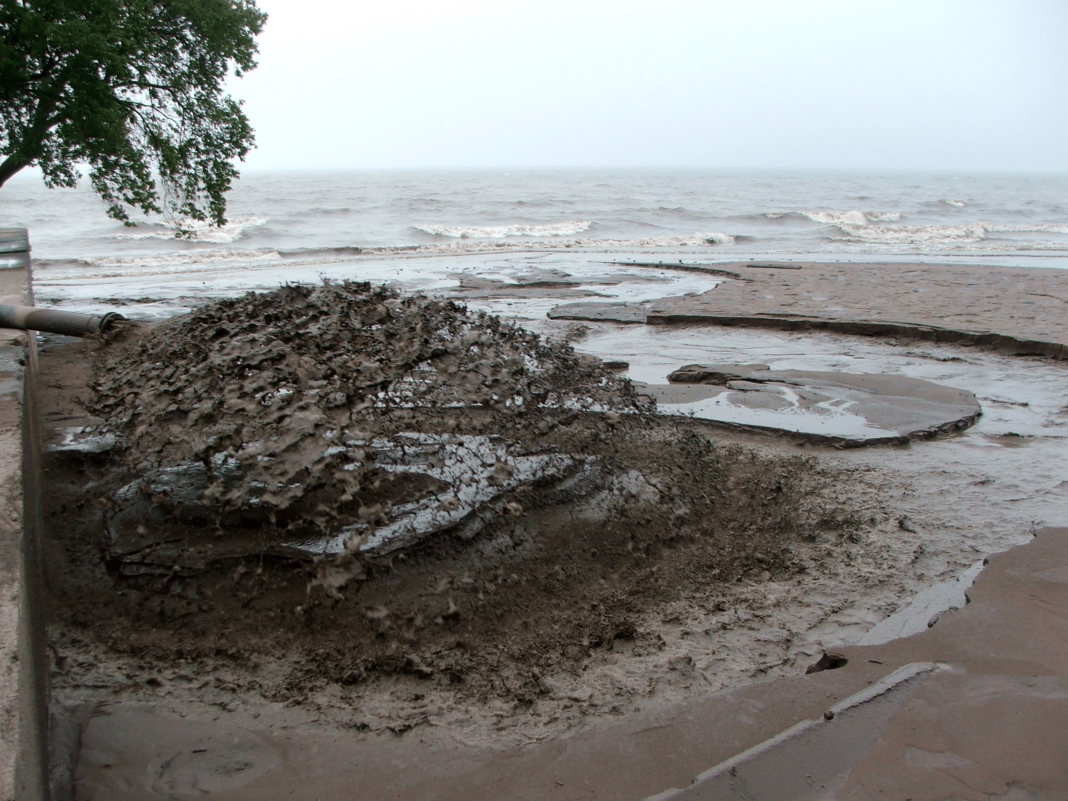





Considering where the slurry is coming from, will the dirty mud from upstream St Louis river conflict with the beautiful sand from the lake? Galveston Texas does this occasionally and the smell is terrible. What about modifying the Superior entrance by removing some of the breakwater to allow the natural process of deposition on Park Point instead of funneling it out into the lake?
I should have addressed this in the article. The sand which is dredged undergoes testing and permitting by a number of agencies prior to dredging, for just the reasons you state. I have been told by officials that, nowadays, the shipping lanes mostly fill up with clean sand–as opposed to twenty years ago, when it was contaminated sand that they had to deposit on Erie Pier in a Confined Disposal Facility. I like to think that the MPCA wouldn’t sign off on beach nourishment unless it met standards for human health.
The only thing I can add from a personal perspective is that I could detect no smell when I was standing right next to the slurry pipe, nor did I notice anything when I picked up a handful and rubbed it between my fingers. It seemed to be a finer sand than Park Point’s usual sand, but it smelled fine.