

Years after causeway-removal effort fails, Mud Lake habitat restoration project proceeds
Date:
Date:
REGIONAL NEWS & INVESTIGATIONS

PO BOX 161702, Duluth MN 55816
Email contact@duluthmonitor.com
Phone (218) 391 - 8791
- All rights reserved.




John Ramos was one of many that called attention to what was happening, but what John’s piece never does is mention the community and groups that worked hard to prevent the train from going away. While the reporting was good and helped, as they say, it takes a village! I was chair of the Friends of Western Duluth Parks & Trails. We spent many hours over multiple years and appearances in front of the Parks Commission bringing sunlight to all the issues around this project under two mayors Ness and Larson.
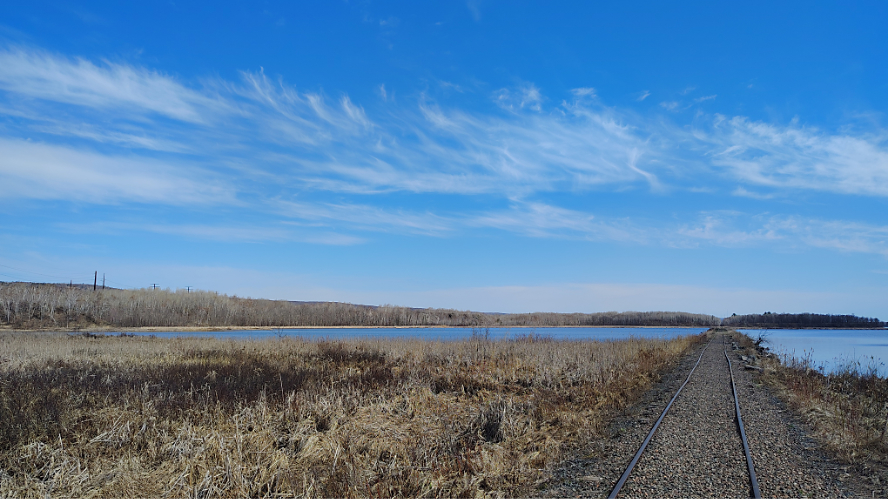
Anyways, the end result of all the work around the causeway on whether to keep or remove was that the benefits to the natural world were that there is benefits to having it in place, and benefits if it was removed. It was balanced so leaving in place was the result. What I have heard that tipped the scale was that after many test borings of the causeway, they found out that the material would not be usable for the planned remediation project, so leaving it in place was the end result. Creating a second opening in the causeway will help move water back and forth to accomplish the desired effect.